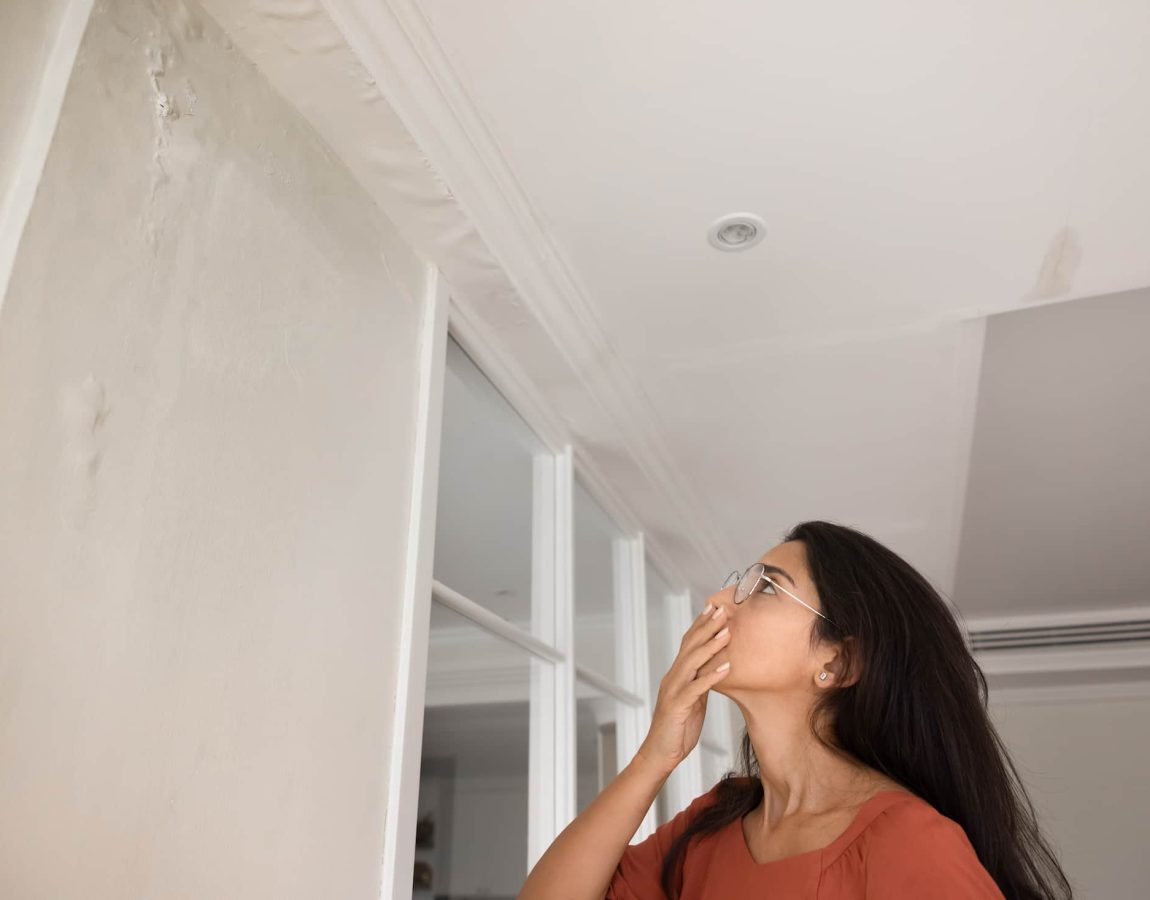
Awaab’s Law makes it more important than ever for social landlords to handle complaints quickly and clearly. Landlords must treat serious damp and mould complaints as time-sensitive hazard cases, not routine service issues. When residents report damp, mould, or another housing hazard, the complaint process should support early investigation, accurate record-keeping, and prompt action rather than delay. The complaint framework should help landlords acknowledge the issue, assess risk, explain next steps, and keep the resident updated until the matter is resolved.
A strong complaint-handling social housing framework also helps landlords manage risk if the issue becomes a formal disrepair claim or a complaint to the Housing Ombudsman. It should connect the landlord’s repairs process, resident communication, and final response into one clear route to resolution.
The best frameworks are simple, auditable, and resident-focused. They connect the complaints process to inspections, repairs, escalation, and final verification so the landlord can show what happened at every stage.
Good complaint handling is not just about service quality. It can prevent a manageable repair issue from becoming a landlord breach of contract damp and mould dispute or a more formal compensation claim.
The best complaint systems give residents a clear route to raise concerns, a predictable response timescale, and a documented escalation process where the problem is not resolved. That matters even more where the issue involves a possible hazard under Awaab’s Law.

A good housing disrepair protocol should define when a complaint becomes a repair case, who owns the case, and what evidence is required at each step. Landlords must investigate the condition, check responsibility, and respond within the relevant housing complaints and repair timelines. It should also make clear that damp and mould complaints may require both complaint handling and urgent repairs at the same time.
Where the landlord has already been notified of the issue, the protocol should trigger fast escalation rather than repeated internal hand-offs. If the landlord knows about a hazard and does not act, the complaint may quickly move into formal disrepair territory. For Awaab’s Law cases, the protocol should link directly to inspection, safety action, and written updates. That is especially important where the complaint may later develop into a formal disrepair dispute.

Awaab’s Law and related guidance place real emphasis on written communication, making the written summary of the tenants’ repair requirements one of the key controls in the process. After an inspection, the landlord should send the resident a clear summary of what was found, what action will be taken, and what timescale applies.
This written summary is important because it creates a record for both the resident and the landlord. This written record helps the resident understand the outcome and gives the landlord evidence that it explained the next steps. It also supports a more transparent and defensible complaint process if the resident later escalates the matter, helping to avoid confusion if the resident later says the issue was not properly explained or progressed.
Damp and mould complaints should be treated as more than routine maintenance reports where there is any possibility of a health or safety risk. If the condition is persistent, worsening, or affecting vulnerable residents, the landlord should investigate promptly and keep the resident updated throughout.
Where the problem is not resolved, the complaint should record what action was taken, what further work is required, and whether the resident may need temporary accommodation or other support. The aim is to show the landlord is actively managing the issue rather than simply acknowledging it.
If a landlord knows about damp and mould and still fails to investigate or repair it within a reasonable time, the issue may develop into a landlord breach of contract damp and mould claim. That is especially likely where the resident has already reported the problem, the landlord has accepted responsibility, or the issue has continued over time.
To reduce that risk, the complaint framework should require accurate logging, fast escalation, and a final response that explains what has been done and what remains outstanding. Clear communication is one of the strongest defences against avoidable disputes.
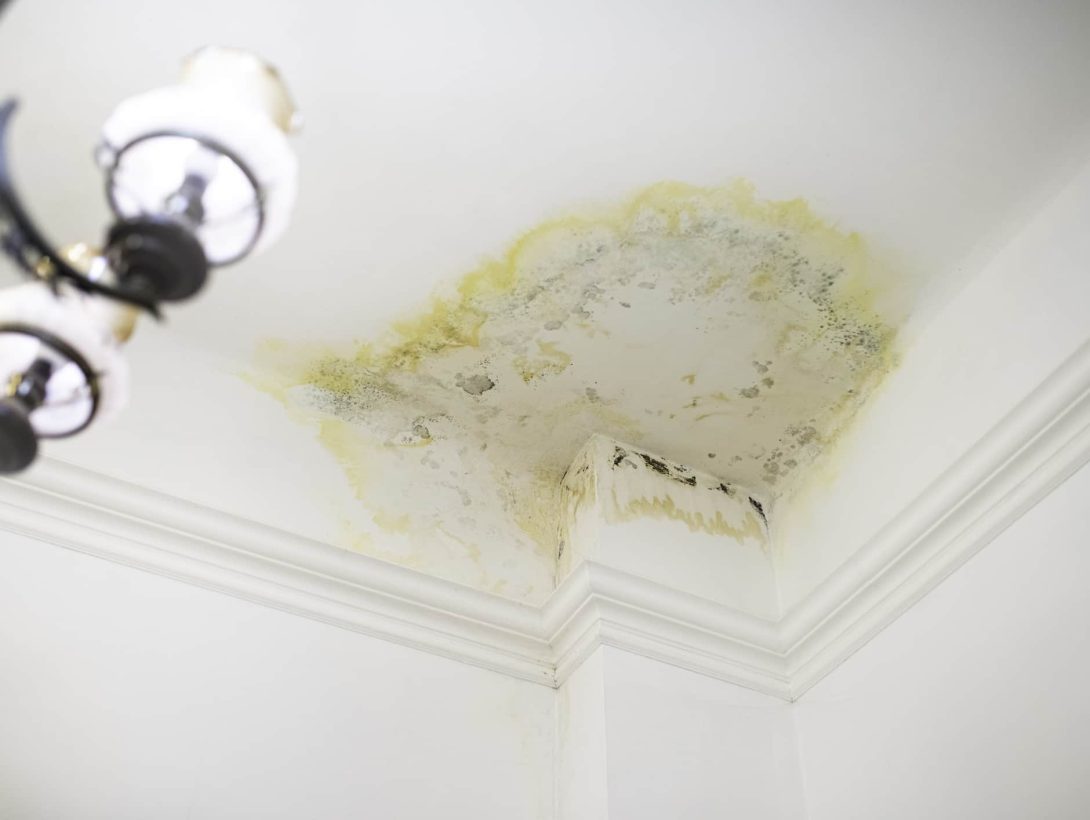
In the most serious cases, Awaab’s Law court action against the landlord may follow if the issue is not resolved or if the resident seeks redress through the courts. That can lead to repair orders, compensation, legal costs, and further pressure on the landlord to prove compliance.
Court action is not the only risk, but it is one of the clearest reasons why early action matters. A quick inspection, a clear repair plan, and strong evidence can reduce the chance of disputes escalating.

If damp and mould is left unresolved, the landlord may face damp mould compensation social housing claims, especially where the resident has suffered inconvenience, loss, or harm. Compensation risk rises when the complaint shows delay, poor communication, or failure to fix the underlying cause.
The framework should therefore include a step for considering redress where appropriate. That may mean apologising, compensating, or agreeing on a clear plan for outstanding work, depending on the circumstances.
| Stage | What the landlord should do | Why it matters |
|---|---|---|
| 1. Acknowledge | Confirm receipt of the complaint, log it in an auditable system, and issue a reference number. | Creates a clear start point and evidence trail. |
| 2. Triage | Review severity, vulnerability, and whether the issue may be an emergency or significant hazard. | Helps prioritise the case correctly. |
| 3. Investigate | Inspect the property, record evidence, and identify the underlying cause of the damp or mould. | Prevents the landlord from treating the symptom only. |
| 4. Respond | Explain the findings, the repair plan, and the timescale for action in writing. | Gives the resident clarity and reduces escalation. |
| 5. Complete works | Carry out the repairs, keep records, and monitor progress until the issue is resolved. | Shows the landlord took the complaint seriously. |
| 6. Verify | Check that the work has worked, then close the case with a written outcome. | Reduces repeat complaints and future risk. |
This structure keeps the process simple for residents and clear for staff. It also ensures that Awaab’s Law issues are reviewed with the urgency they deserve.

A strong complaint-handling social housing process helps landlords respond to damp and mould issues before they become bigger disputes. When the housing disrepair protocol, written summary, and verification steps all work together, the landlord is better placed to protect residents, reduce escalation, and manage Awaab’s Law risk.
Our specialist teams support housing providers and social landlords with compliance assessments, property surveys, hazard investigations, and remediation services. Whether you need support reviewing your current processes or delivering repairs at scale, we can help your organisation meet its obligations and protect your tenants.