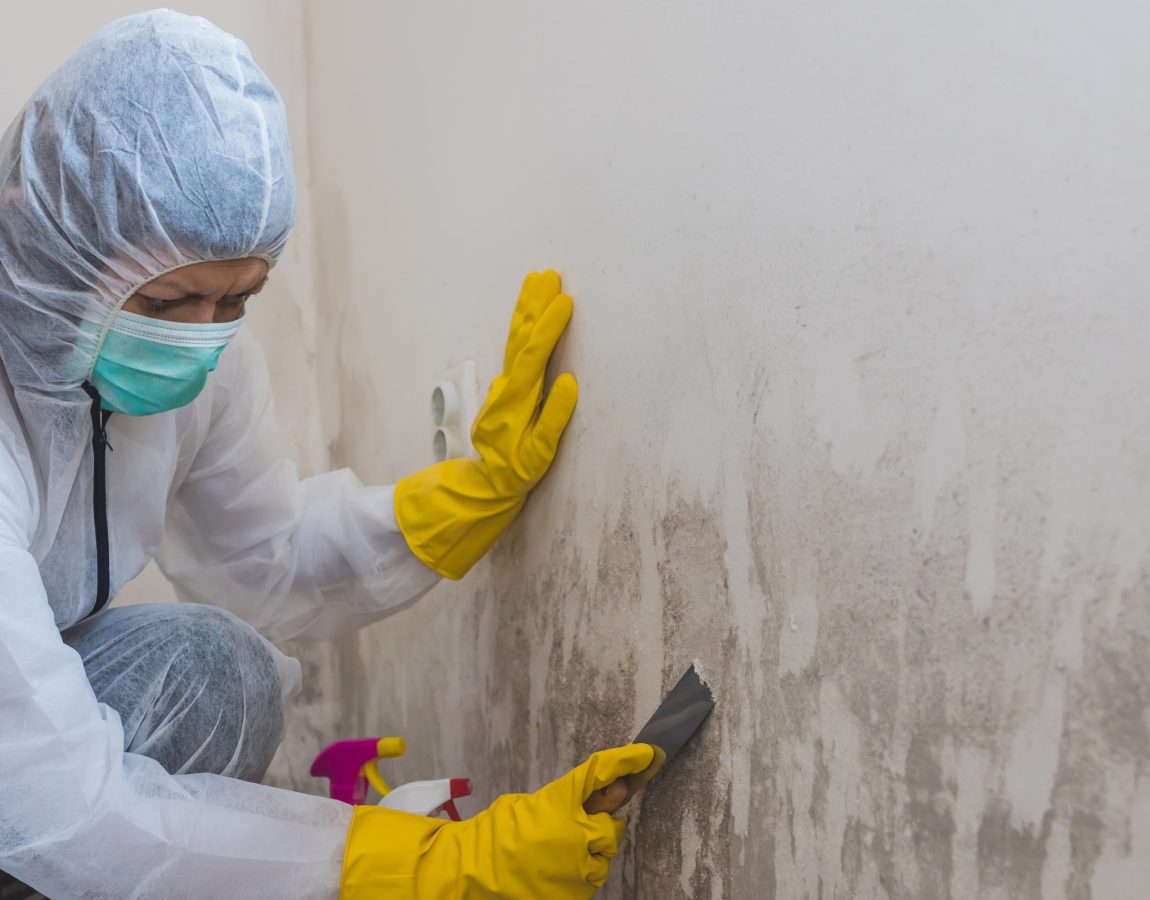
Awaab’s Law is a legal framework that requires social landlords to investigate and act on serious housing hazards. The law was introduced following the tragic death of two-year-old Awaab Ishak in 2020, who died after prolonged exposure to mould in his social home.
The law is implemented via the Social Housing (Regulation) Act 2023 and creates enforceable timelines that are implied into all social housing tenancy agreements.
Awaab’s Law currently applies only to the social rented sector in England. Private rented tenants are not yet covered by the legislation.
The government has indicated it plans to extend the law to the private sector in future. In Scotland, the law is extended to cover all rented accommodation, both social and private.
Private tenants still have protections under existing legislation, including the Homes (Fitness for Human Habitation) Act 2018.
The first phase of Awaab’s Law came into force on 27 October 2025.
This year, the law extended to cover additional hazards including excess cold, fire and electrical faults, explosions, and falls where they pose a significant risk.
Next year, the law is expected to cover most remaining hazards under the Housing Health and Safety Rating System (HHSRS), excluding overcrowding.
Social landlords are legally responsible for investigating and addressing damp and mould in their properties under Awaab’s Law. Landlords must adopt a proactive approach and cannot simply blame a tenant’s lifestyle for damp and mould issues.
The Housing Ombudsman has advised that social landlords should take a zero-tolerance approach to damp and mould and avoid automatically blaming tenants for these problems. While everyday tenant activities (cooking, bathing, drying clothes) can contribute to condensation, landlords must assess hazards case-by-case and act within the law’s timeframes.
Landlords who fail to comply with Awaab’s Law face significant consequences:
The only defence available to landlords is that they used all reasonable endeavours to comply but were prevented by factors genuinely beyond their control (such as inability to access the property).
Tenants can:
These records demonstrate compliance and can be used as evidence if a limited defence needs to be relied upon.
Landlords should use temporary measures to reduce risk while permanent works are arranged. If the property still cannot be made safe within the required timescales, the landlord must offer suitable alternative accommodation at their expense.
Simple daily habits can help keep moisture levels low:
If you notice any signs of damp or mould, including dark patches, peeling wallpaper, or a musty smell, report it immediately to your landlord.