New statutory requirements under the Social Housing (Regulation) Act 2023 are now in force. This guide sets out what the Awaabs law legislation means, who it applies to, and the clear timescales your organisation must meet to remain compliant.
Awaab’s Law is new legislation introduced through the Social Housing (Regulation) Act 2023. It places statutory obligations on social landlords to investigate and resolve hazardous conditions in their properties within fixed, legally defined timeframes.
The law takes effect via The Hazards in Social Housing (Prescribed Requirements) (England) Regulations 2025, which came into force on 27 October 2025. Crucially, it creates an implied term in every social housing tenancy agreement, meaning the landlord is contractually and legally required to comply. Failure to do so constitutes a breach of contract.
Unlike previous legislation that relied on broad concepts of “reasonable timescales,” Awaab’s Law sets out specific, enforceable deadlines for investigation, written communication, remediation, and, where necessary, the provision of alternative accommodation.
The legislation is being introduced in phases, beginning with damp and mould. It will progressively expand to cover all significant hazards identified under the Housing Health and Safety Rating System (HHSRS) by 2027.
The core principle Social landlords are now legally required to act quickly and systematically when a tenant reports a hazard. Discretionary timescales have been replaced with firm statutory deadlines that courts and regulators can enforce.
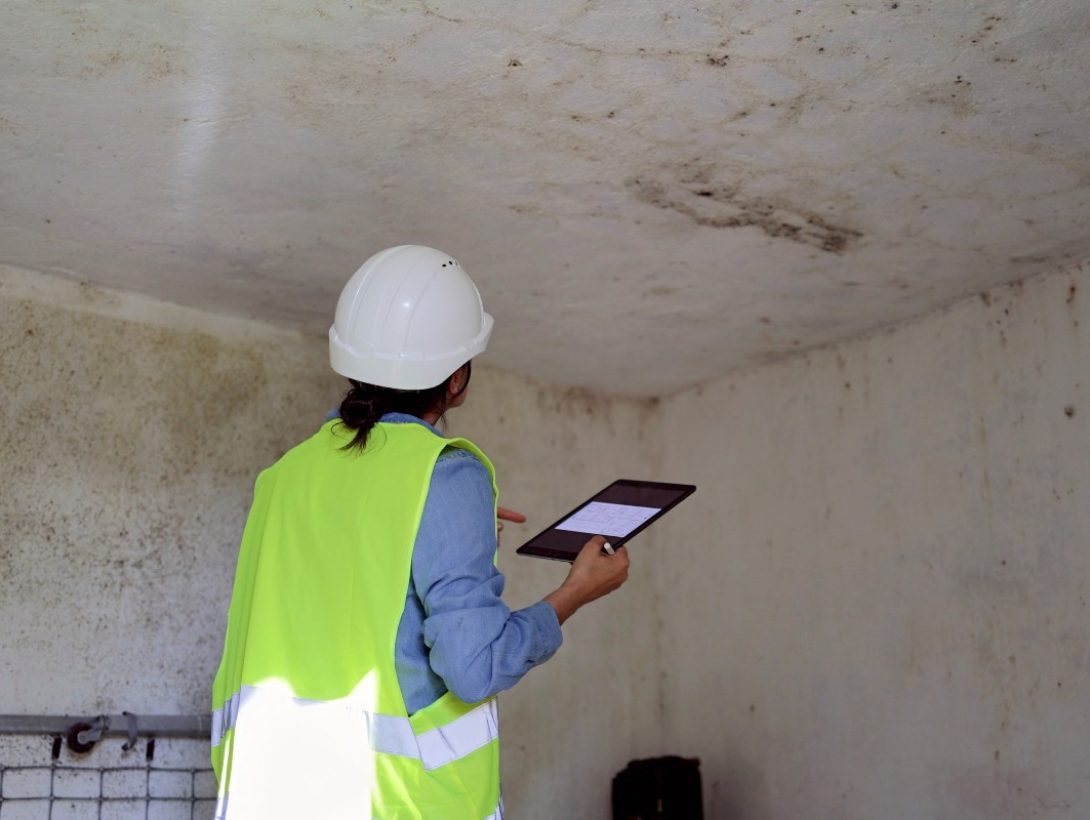
The legislation is named after Awaab Ishak, a two-year-old child who died in December 2020 from a severe respiratory condition directly caused by prolonged exposure to mould in his family’s social housing flat in Rochdale, managed by Rochdale Boroughwide Housing. His family had raised concerns with the landlord on multiple occasions; no effective action was taken.
The coroner’s report, published in November 2022, found that Awaab’s death was directly linked to the damp and mould in the property. The findings prompted widespread scrutiny of housing conditions across the social sector and a clear legislative response.
The scale of the problem was significant. Despite the existing Decent Homes Standard, one in ten social homes in England fails to meet its requirements. The Housing Ombudsman recorded 5,465 determinations in 2023-24, with property condition the leading complaint category. Of those cases, 73% were upheld in the tenant’s favour.
The evidence was clear. Existing standards and duties were insufficient to drive timely remediation of hazardous conditions. Awaab’s Law represents a fundamental shift, transforming what were previously discretionary duties into legally enforceable obligations and giving tenants the right to hold landlords directly accountable through the courts.
The Regulator of Social Housing has made clear that boards and executive teams should treat compliance with Awaab’s Law as a governance priority. Failure to comply may constitute a material breach of the consumer standards, with consequences extending beyond individual complaints.
Awaab’s Law currently applies to all registered providers of social housing in England. This includes:
The obligations apply to almost all social housing occupied under a tenancy and let by a registered provider. The law inserts an implied contractual term into tenancy agreements, meaning compliance is not optional and is enforceable through the courts.
Awaab’s Law is expected to be extended to the private rented sector from 2027 under the Renters’ Rights Act 2025. No implementation date has been confirmed yet; the government has indicated this will be subject to further consultation. Private landlords should monitor developments closely and consider early preparation.
The current Phase 1 regulations apply in England only. Social landlords operating in Wales and Scotland should note that separate regulatory frameworks apply in those nations.
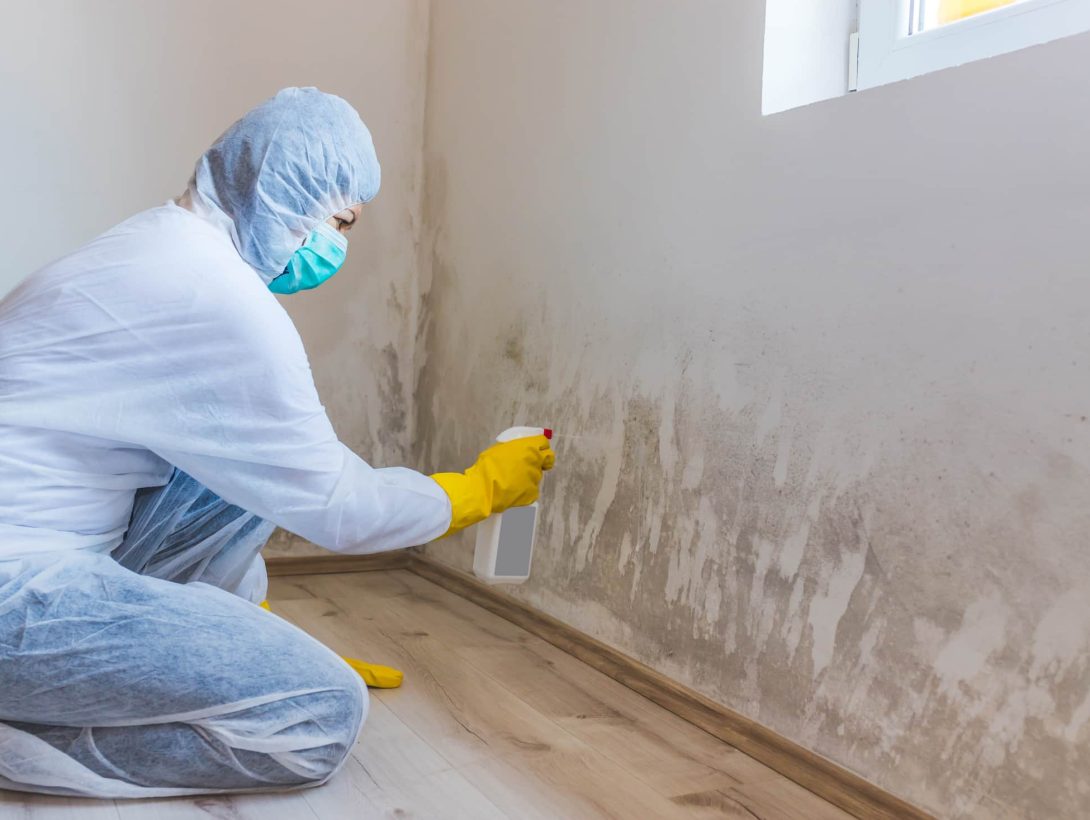
Social landlords must investigate and resolve significant damp and mould hazards that present a serious risk of harm to tenants within the statutory timescales. Emergency hazards of any type must be made safe within 24 hours. This phase is in force. Compliance is mandatory for all registered providers in England.
The statutory timescales will extend to cover a broader range of HHSRS hazard categories, including excess cold and heat, falls, structural collapse, fire, electrical and explosion hazards, and hygiene hazards.
The legislation will extend to all remaining serious hazards under the Housing Health and Safety Rating System, excluding overcrowding. This phase is also expected to coincide with the extension of Awaab’s Law obligations to the private rented sector.

Awaab’s Law creates a set of clear, non-discretionary duties. These landlord obligations under Awaab’s Law do not replace existing legal requirements; they operate in addition to duties under the Landlord and Tenant Act 1985, the Homes (Fitness for Human Habitation) Act 2018, and the Decent Homes Standard.
Awaab’s Law creates an implied term in tenancy agreements. Failure to comply is a breach of contract, and named tenants have the right to take their landlord to court. Courts may order the landlord to carry out the required works.
Tenants may raise complaints through the Housing Ombudsman Service. The Ombudsman has already reported a significant increase in damp and mould cases and has strengthened its oversight activity. The Ombudsman can issue orders requiring remediation and compensation.
The Regulator of Social Housing can issue enforcement notices, require performance improvement plans, and, in the most serious cases, levy unlimited fines. Non-compliance with Awaab’s Law may be treated as a material failure of the consumer standards. The RSH now has the power to enter properties with 48 hours’ notice in emergencies.
Where a tenant suffers harm or financial loss as a direct result of a landlord’s delay or failure to act, they may pursue a civil claim. Legal and financial exposure increases significantly where landlords cannot demonstrate timely action and clear documentation.
Non-compliance carries significant reputational consequences. Media and public scrutiny of housing standards is higher than at any previous point. Failures can escalate quickly into high-profile incidents, triggering stakeholder disengagement, hostile merger activity, and political intervention.
The timescales below apply under Phase 1 of Awaab’s Law. These requirements cover damp and mould hazards and emergency repairs of all types. All timescales run from the point at which the landlord becomes aware of the issue.
| Situation | Required Action | Statutory Timescale |
|---|---|---|
| Emergency hazard reported any hazard posing imminent danger to health or safety | Take action to make the property safe | 24 hours |
| Damp or mould hazard reported | Begin formal investigation | 10 working days |
| Investigation completed | Provide the tenant with a written summary of findings, proposed action, and expected timescale | 3 working days |
| Significant hazard confirmed posing a serious health or safety risk | Make property safe (temporary measures permitted where necessary) | 5 working days |
| Full remediation of a significant hazard | Complete all remedial works | Within 12 weeks |
| Property cannot be made safe in time | Provide suitable alternative accommodation at the landlord’s expense | Until repairs complete |
These timescales are statutory minimums. Organisations are encouraged to build operational systems capable of exceeding them. The Housing Ombudsman has indicated that a pattern of responses that consistently meet minimum thresholds but fail to resolve underlying hazards may still attract adverse findings.
Phases 2 and 3 will introduce the same framework of timescales across an expanded range of HHSRS hazard categories. Confirmed implementation dates will be announced by the government in due course.
This guidance is intended for social landlords and housing providers. It does not constitute legal advice. Landlords should seek independent legal advice on their specific obligations under Awaab’s Law.
Our specialist teams support housing providers and social landlords with compliance assessments, property surveys, hazard investigations, and remediation services. Get in touch to discuss how we can help your organisation meet its obligations.