Awaab’s Law is now in force. From 27 October 2025, all registered social landlords in England are legally required to investigate and resolve hazardous conditions within fixed, statutory timeframes. For the first time, the broad expectation of acting within “reasonable timescales” has been replaced with specific, enforceable deadlines. Failure to meet them constitutes a breach of contract.
This page sets out everything social landlords need to know about Awaab’s Law timescales: what they are, when they apply, what your organisation must do at each stage, and what happens if those obligations are not met.
Whether you are a compliance lead, asset manager, or board member, understanding the full framework of duties is essential to protecting your tenants, your organisation, and your regulatory standing.
Awaab’s Law timescales are statutory deadlines, set in legislation, that determine how quickly social landlords must respond to hazardous conditions reported by tenants. They are not guidance, targets, or best practice recommendations. They are legal requirements, enforceable through the courts and by the Regulator of Social Housing.
The timescales are introduced through The Hazards in Social Housing (Prescribed Requirements) (England) Regulations 2025, which came into force on 27 October 2025 under the Social Housing (Regulation) Act 2023. Critically, the law inserts an implied term into every social housing tenancy agreement: compliance is a contractual obligation, not a discretionary one.
All timescales run from the point at which the landlord becomes aware of the issue — not from when it is formally logged, assigned to a contractor, or escalated internally. Awareness triggers the clock.
The legislation is being introduced in phases. Phase 1, now in force, covers damp and mould hazards and emergency repairs of all types. Phases 2 and 3 will progressively extend the same framework to all hazard categories under the Housing Health and Safety Rating System (HHSRS) by 2027.
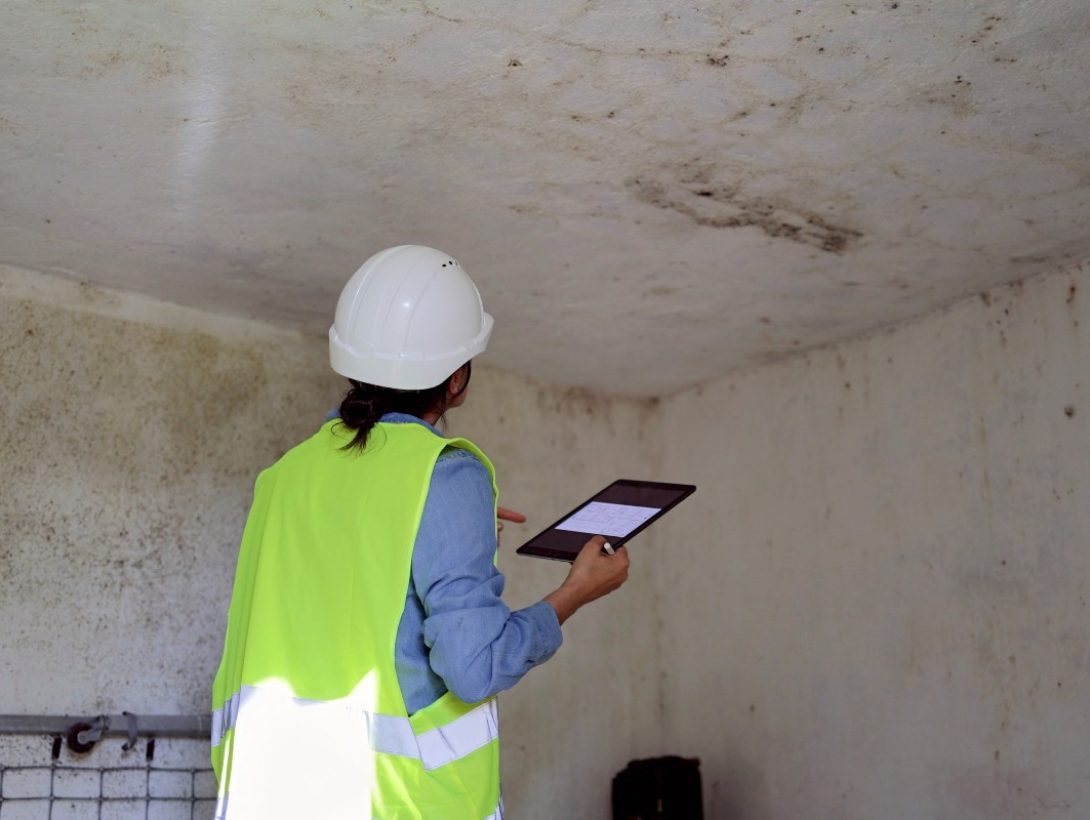
The table below summarises the core statutory timescales under Phase 1. These apply to all registered social landlords in England from 27 October 2025.
| Obligation | Timescale |
|---|---|
| Emergency hazard — take action to make safe | Within 24 hours |
| Begin investigation of damp or mould hazard | Within 10 working days |
| Provide written summary to tenant after investigation | Within 3 working days |
| Make property safe where significant hazard confirmed | Within 5 working days |
| Complete all remedial works | Within 12 weeks |
| Provide alternative accommodation where property cannot be made safe in time | Until all repairs are complete |
These are statutory minimums. The Housing Ombudsman has indicated that a pattern of responses that consistently meet minimum thresholds but fail to address underlying hazards may still attract adverse findings. Organisations should build systems capable of exceeding these timescales where possible.
This is one of the most significant obligations under the legislation, and it is important to understand its scope. The 24-hour emergency repair requirement applies to all hazard types — not only damp and mould. From Phase 1 onwards, any emergency hazard, regardless of its nature, triggers this immediate duty.
In practice, “taking action” means doing whatever is necessary to remove the immediate danger. This may not mean completing a full repair within 24 hours — but it does mean the hazard must be made safe. Temporary measures are permitted where a permanent fix cannot be achieved in the timeframe, provided they genuinely address the risk.
Landlords must also be prepared to evidence their response. A verbal instruction to a contractor is not sufficient documentation. Your organisation should have clear systems in place to record when an emergency was reported, what action was taken, and when. Out-of-hours protocols must be robust enough to ensure the 24-hour window can be met at any time, including weekends and bank holidays.
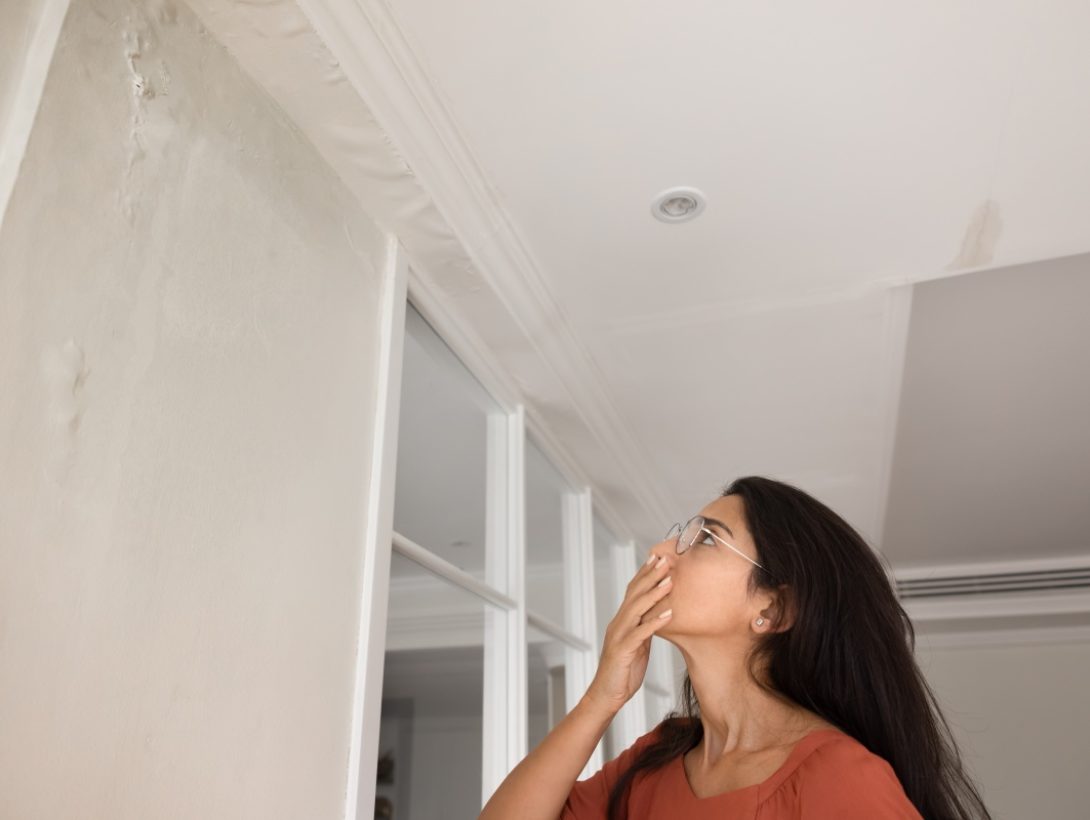
Under Phase 1, when a tenant reports a damp or mould hazard, the landlord must begin a formal investigation within 10 working days of becoming aware of the issue.
The trigger point is awareness, which includes reports made by telephone, in writing, through a housing officer, via a contractor, or through any other channel. Organisations should ensure their reporting systems are configured to capture the date and method of every hazard report, regardless of how it is received.
A compliant investigation should be thorough enough to identify the root cause of the hazard, not simply its visible symptoms. Treating surface mould without investigating its underlying cause is unlikely to constitute a compliant response and will leave the landlord exposed to further complaints and potential enforcement action.
Common pitfalls to avoid include delayed acknowledgement of reports, gaps in contractor scheduling that push the investigation beyond the 10-day window, and inconsistent recording of when awareness first arose. Each of these can undermine your organisation’s position in the event of a complaint or claim.

Within three working days of completing the investigation, the landlord must provide the tenant with a written summary of the findings.
This written summary must include:
This is both a legal obligation and an important tenant communication tool. Done well, it demonstrates transparency, manages expectations, and creates a clear audit trail. Done poorly — or not at all — it exposes the landlord to breach of contract claims and adverse findings from the Housing Ombudsman.
The written summary should be clear and accessible, written in plain language that tenants can understand. It should be delivered through a method that can be evidenced — email, recorded letter, or a documented message through a tenant portal. Verbal communication does not satisfy this requirement.
Landlords should maintain a copy of every written summary issued, linked to the original hazard report. This documentation will be essential in demonstrating compliance in the event of a complaint, court claim, or regulatory inspection.
Where a significant hazard is confirmed — one that poses a serious risk to the health or safety of the tenant — the landlord must make the property safe within five working days. Temporary measures are permitted where a permanent repair cannot be completed in this timeframe, provided they genuinely reduce the risk to an acceptable level. Simply acknowledging the hazard or booking a future appointment does not satisfy this obligation.
All remedial works must be fully completed within 12 weeks of the hazard being identified. This is the outer limit, not a planning target. Landlords should build contractor capacity, procurement frameworks, and project management processes that make 12-week completion achievable as a matter of course, not an exception.
Where a property cannot be made safe within the required timescales — or where the remediation process itself makes the property uninhabitable — the landlord must provide suitable alternative accommodation at their own cost. This obligation continues until all hazards have been fully resolved and the property is safe for the tenant to return to.
The cost and logistical implications of this duty make early, effective intervention not only a legal requirement but a clear operational and financial priority.
Awaab’s Law recognises that some tenants face greater risk from hazardous conditions than others. Landlords must take additional care where residents are more vulnerable — for example, young children, older tenants, or those with respiratory conditions or other health vulnerabilities. The presence of vulnerable residents should be a factor in prioritising investigations and repairs, and this should be reflected in your organisation’s triage and case management processes.
A landlord’s ability to comply with the statutory timescales depends, in part, on being able to access the property. Where a tenant refuses access, the landlord is not automatically in breach — but the legislation provides a statutory defence only if the landlord can demonstrate they took all reasonable steps to gain entry within the required timescales.
Reasonable steps might include multiple written and verbal attempts to arrange access, offering flexible appointment times, involving a housing officer, or, where appropriate, seeking legal advice on access rights. The key point is that the defence is evidential: it must be documented. An undocumented attempt to gain access is unlikely to provide adequate protection in proceedings.
Landlords should have a clear access refusal policy that sets out the steps to be taken, the records to be kept, and the escalation process where access continues to be refused.

Awaab’s Law is not only an operational obligation — it is a governance responsibility. The Regulator of Social Housing has made clear that boards and executive teams are expected to have active oversight of compliance performance, not simply to delegate it downward.
Compliance with Awaab’s Law timescales should be reported regularly at board level. Key performance indicators should include response times at each stage of the process, rates of compliance with each statutory deadline, and trends in hazard reports and outcomes. Where performance is falling short, boards should be able to demonstrate they are taking action.
Detailed records must be maintained for every hazard report, including the date and method of report, the date the investigation began, the written summary issued, all remediation activity, and final resolution. These records must be accessible and complete. In the event of a complaint, court claim, or regulatory inspection, the quality of your documentation will be as important as the actions themselves.
Landlords are accountable for the performance of contractors acting on their behalf. A contractor’s failure to meet a statutory timescale is the landlord’s failure in law. Service level agreements should be reviewed and updated to reflect the Awaab’s Law timescales, and contractor performance should be monitored against them as a matter of routine.
The consequences of non-compliance are significant and operate across multiple channels simultaneously.
Because Awaab’s Law creates an implied term in tenancy agreements, a failure to meet the statutory timescales is a breach of contract. Named tenants have the right to take their landlord to court, and courts may order the landlord to carry out required works. Where a tenant has suffered harm or financial loss as a result of the landlord’s failure, civil liability increases substantially.
Tenants may raise complaints through the Housing Ombudsman Service, which has strengthened its oversight activity in response to the new legislation. The Ombudsman can issue orders requiring remediation and compensation, and a pattern of non-compliance can result in systemic investigations across an organisation’s entire housing stock.
The Regulator of Social Housing can issue enforcement notices, require performance improvement plans, and in the most serious cases, levy unlimited fines. Non-compliance with Awaab’s Law may be treated as a material failure of the consumer standards — with consequences that extend well beyond individual cases to the organisation’s regulatory grade and governance standing. The RSH now also has the power to enter properties with 48 hours’ notice in emergency situations.
Public and media scrutiny of housing conditions is higher than at any previous point. A high-profile case of non-compliance can escalate rapidly, triggering stakeholder disengagement, political intervention, and in the most serious cases, hostile merger activity. Reputational risk should be treated as a material organisational risk, not a secondary consideration.
Damp and mould hazards, and emergency repairs of all types. All registered social landlords in England must comply now.
The statutory timescales will extend to cover a broader range of HHSRS hazard categories, including excess cold and heat, falls, structural collapse, fire, electrical and explosion hazards, and hygiene hazards.
The legislation will extend to all remaining serious HHSRS hazards, excluding overcrowding. This phase is also expected to coincide with the extension of Awaab’s Law obligations to the private rented sector under the Renters’ Rights Act 2025.

Awaab’s Law places significant new demands on social landlords, operationally, legally, and in terms of governance. Meeting the statutory timescales consistently requires the right systems, the right contractors, and the right oversight in place.
Our specialist teams support housing providers and social landlords with compliance assessments, property surveys, hazard investigations, and remediation services. Whether you need support reviewing your current processes or delivering repairs at scale, we can help your organisation meet its obligations and protect your tenants.

This page is intended for social landlords and housing providers in England. It does not constitute legal advice. Landlords should seek independent legal advice on their specific obligations under Awaab’s Law and the Social Housing (Regulation) Act 2023.