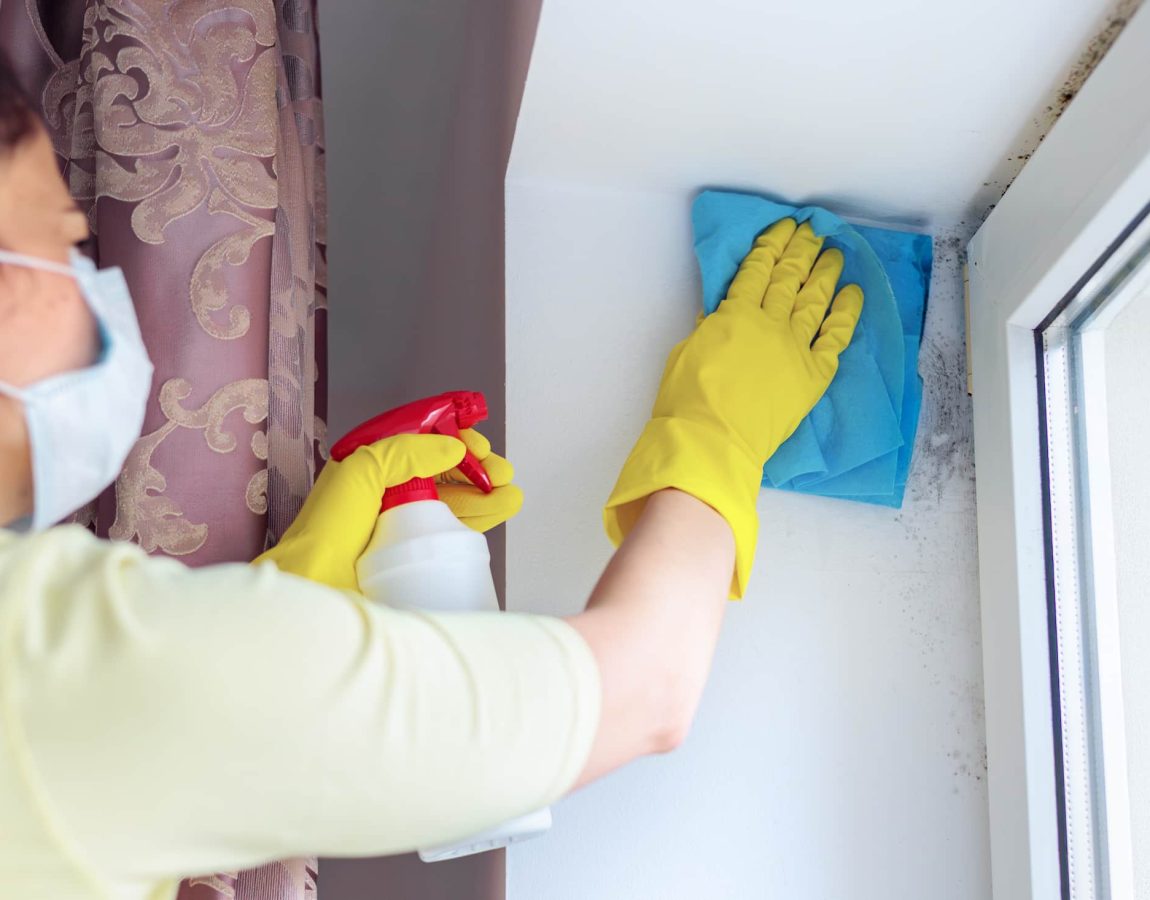
Awaab’s Law requires social landlords to respond quickly to emergency hazards and to damp and mould hazards that present a significant risk of harm. The law sits alongside HHSRS, so landlords need a practical way to assess whether a case is in scope and how urgently it must be dealt with. Here we explain how to identify damp and mould risks, judge whether a case is significant or urgent, and decide what action is needed to keep residents safe.
Damp and mould should never be treated as a minor issue when there is any risk to the resident’s health or safety. Under Awaab’s Law, social landlords need a clear process for identifying hazards, assessing urgency, recording findings, and acting within required timeframes.
Designed for social landlords, housing associations, and housing providers that need practical support, this guide explains the relationship between HHSRS hazards and Awaab’s Law, what counts as a significant hazard, and where landlord responsibility begins. It is designed to help housing providers make consistent decisions and keep clear records of what they did and why.
A hazard is any issue in the home that could create a risk to the resident’s health or safety. In Awaab’s Law, the key question is not simply whether damage is visible, but whether the condition of the property could cause harm.
That means landlords should look at the overall situation, including the severity of the defect, the speed at which it is worsening, and whether the resident is likely to be affected. A problem can be a hazard even if it appears localised, especially if it affects bedrooms, kitchens, bathrooms, or homes occupied by vulnerable residents.
Under the HHSRS framework, landlords have responsibilities where a hazard creates a risk to health or safety and falls within their control to repair. In practice, that means the condition of the property, not just the complaint itself, needs to be assessed carefully.
For social landlords, the important point is that a hazard does not need to be extreme before action is required. If the risk is serious enough to affect a resident’s safety, the landlord should treat it as a compliance issue rather than a routine maintenance matter.
Awaab’s Law is not limited only to HHSRS Category 1 hazards. Guidance and sector commentary show that the scope includes damp and mould hazards that present a significant risk of harm, even where they do not reach the most severe HHSRS threshold.
That means landlords should not wait to see whether a problem becomes more serious before acting. If the issue is likely to affect resident health or safety, it may already fall within Awaab’s Law scope and need urgent investigation.
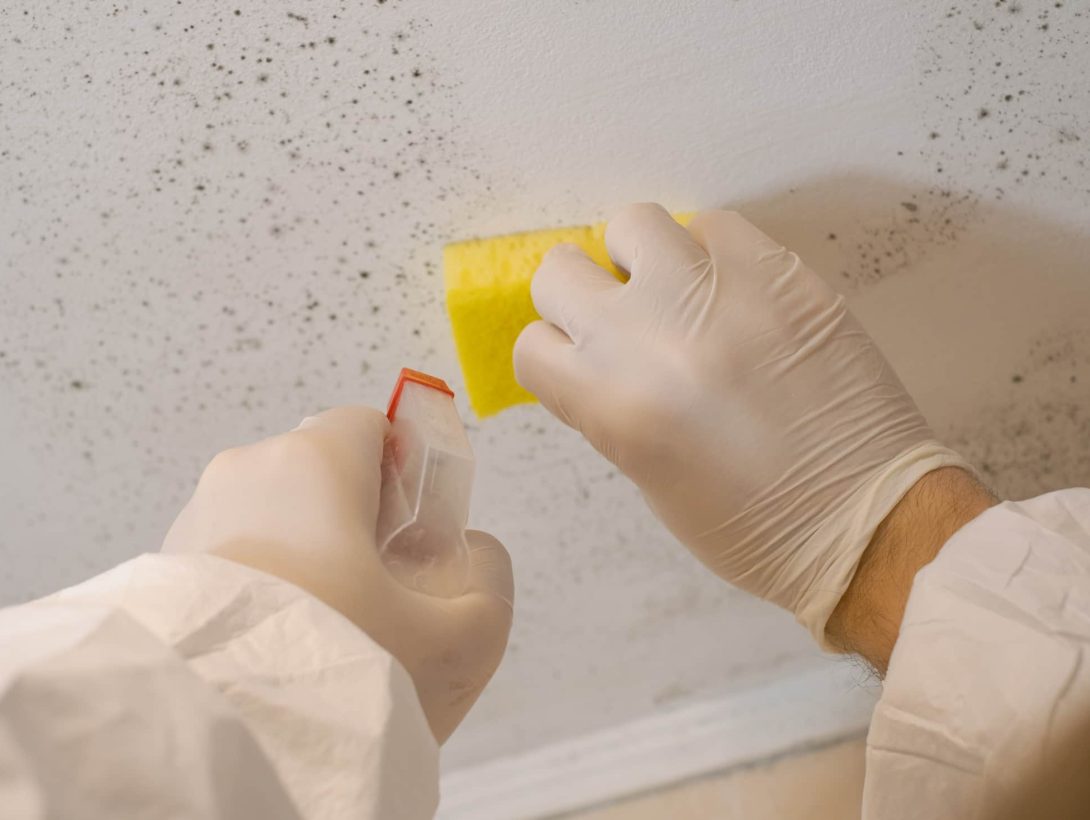
Damp and mould become a significant hazard when the condition is severe enough to create a real risk of harm. That risk may arise because of the scale of the problem, the rooms affected, recurring leaks, poor ventilation, or the vulnerability of the people living in the home.
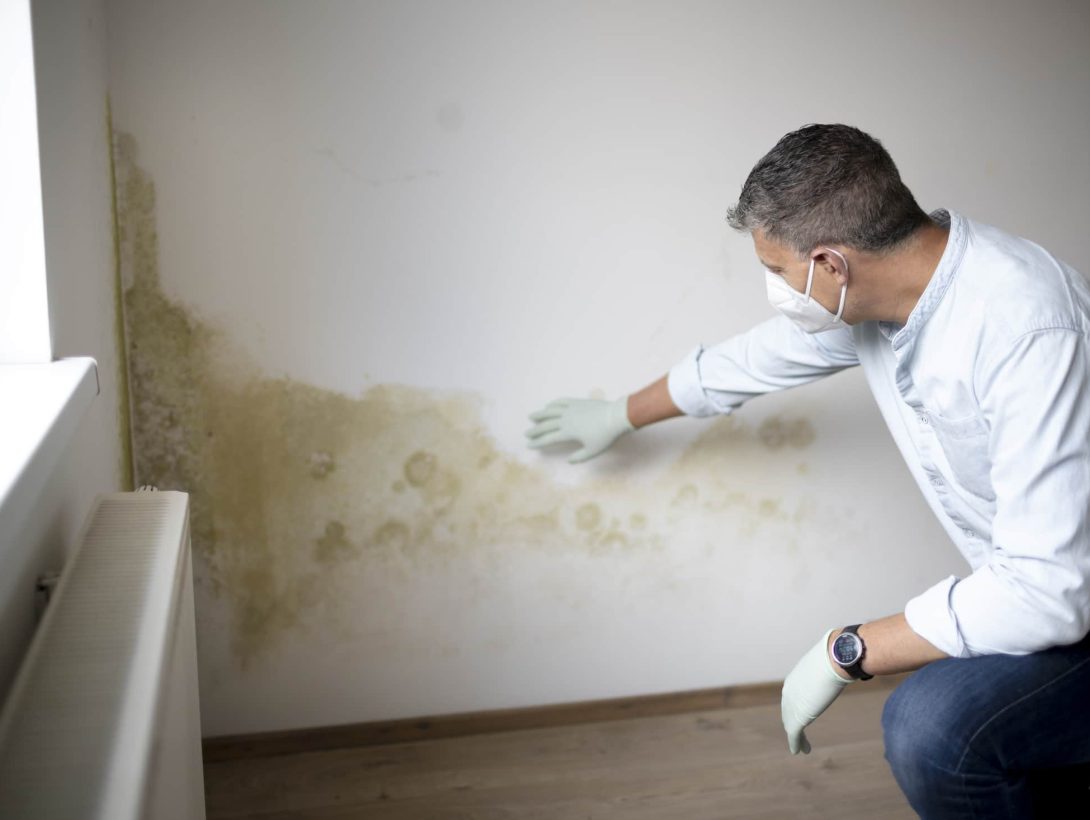
Landlords should look beyond the visible patch of mould and consider the underlying cause. If the issue is linked to disrepair, poor maintenance, or building defects, it should be investigated and recorded immediately, with clear next steps and timescales.
Mould often becomes an environmental health issue when it affects air quality, aggravates respiratory problems, or creates conditions that are unsafe for residents. In those cases, landlords should treat the report as more than a cosmetic repair and act on the wider health risk.
The guide should make clear that environmental factors matter just as much as the physical defect. Poor ventilation, condensation, leaks, cold bridging, and structural moisture can all contribute to the problem and should be considered in the assessment.
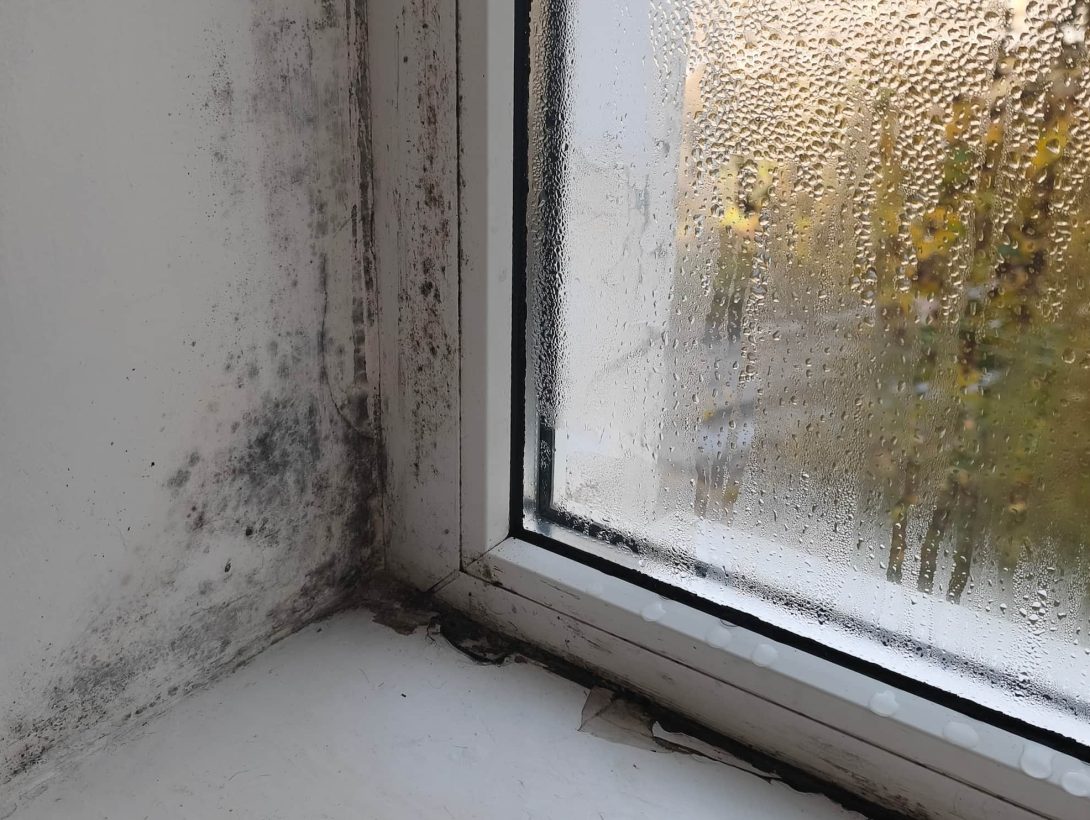
In most cases, the landlord is responsible for mould where it is caused by disrepair or a failure to maintain the property properly. Where mould is linked to a defect in the building, a leak, poor ventilation, or another issue within the landlord’s control, it should be treated as a landlord repair issue.
That does not mean every report is automatically the landlord’s fault, but it does mean every report needs a proper investigation. If there is any doubt, the safer approach is to inspect promptly, document the findings, and explain what action will be taken.

Not every damp or mould report will require the same response, but every case needs triage. Landlords should consider whether the issue is likely to affect health, whether the resident is particularly vulnerable, whether the problem is spreading, and whether the home remains safe to occupy.
If the risk is immediate, the landlord should act as an emergency rather than waiting for a routine repair slot. If the hazard is significant but not immediate, the landlord still needs a fast inspection, a documented action plan, and a clear timescale for making the property safe.
Sometimes the permanent fix will take time, especially where the cause is structural or requires major works. In those cases, landlords should consider temporary measures such as drying, ventilation improvements, isolation of affected areas, or other steps that reduce risk while longer-term works are arranged.
If the home cannot be made safe within the relevant timeframe, escalation should happen quickly. That may include management review, legal advice, or arranging suitable alternative accommodation where needed.
Once a hazard is identified, landlords should move quickly to assess urgency, make the property safe where necessary, and keep the resident updated. If the issue cannot be resolved immediately, temporary measures or alternative accommodation may be needed depending on the level of risk.
Records should show when the report was received, what the inspection found, how the hazard was classified, what steps were taken, and when each action was completed. That documentation supports both compliance and complaints handling if the case is later challenged.

Awaab’s Law puts responsibility on landlords to identify hazards early, act quickly, and keep reliable records throughout the process. A consistent inspection approach, clear escalation route, and strong documentation will help reduce risk and improve outcomes for residents.
Awaab’s Law is designed to stop serious hazards being left unresolved. For landlords, the safest approach is to assess damp and mould early, treat the risk seriously, and keep a full record of what was done at every stage.
Our specialist teams support social housing providers with compliance assessments, property surveys, hazard investigations, and remediation services. Whether you need support reviewing your current processes or delivering repairs at scale, we can help your organisation meet its obligations and protect your tenants.